Foul Drain Smells? Book a Drain Inspection Today
- Foul Drain Odours
- Smelly Drains
- Drain Inspection Service
- No Call-Out Fee Assessment
Struggling with persistent drain odours? Contact us today to arrange an inspection.

Request a Call Back
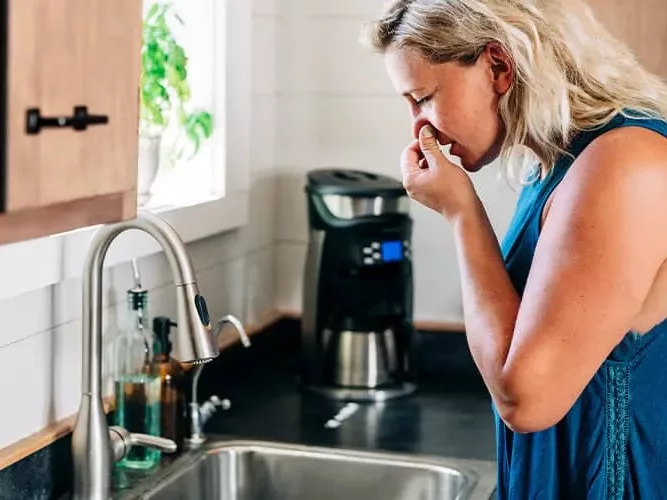
Common Causes of Bad Drain Smells
Bad drain smells can come from grease and food residue, hair and soap build-up, trapped debris, dried-out or faulty traps, bacterial growth, blocked drains, damaged pipework or poor ventilation.
In some cases, odours are intermittent and only appear when appliances discharge or pressure changes within the drainage system. Identifying the source matters because deodorising or cleaning the surface may mask the smell without fixing the underlying problem.
How We Investigate Bad Drain Smells
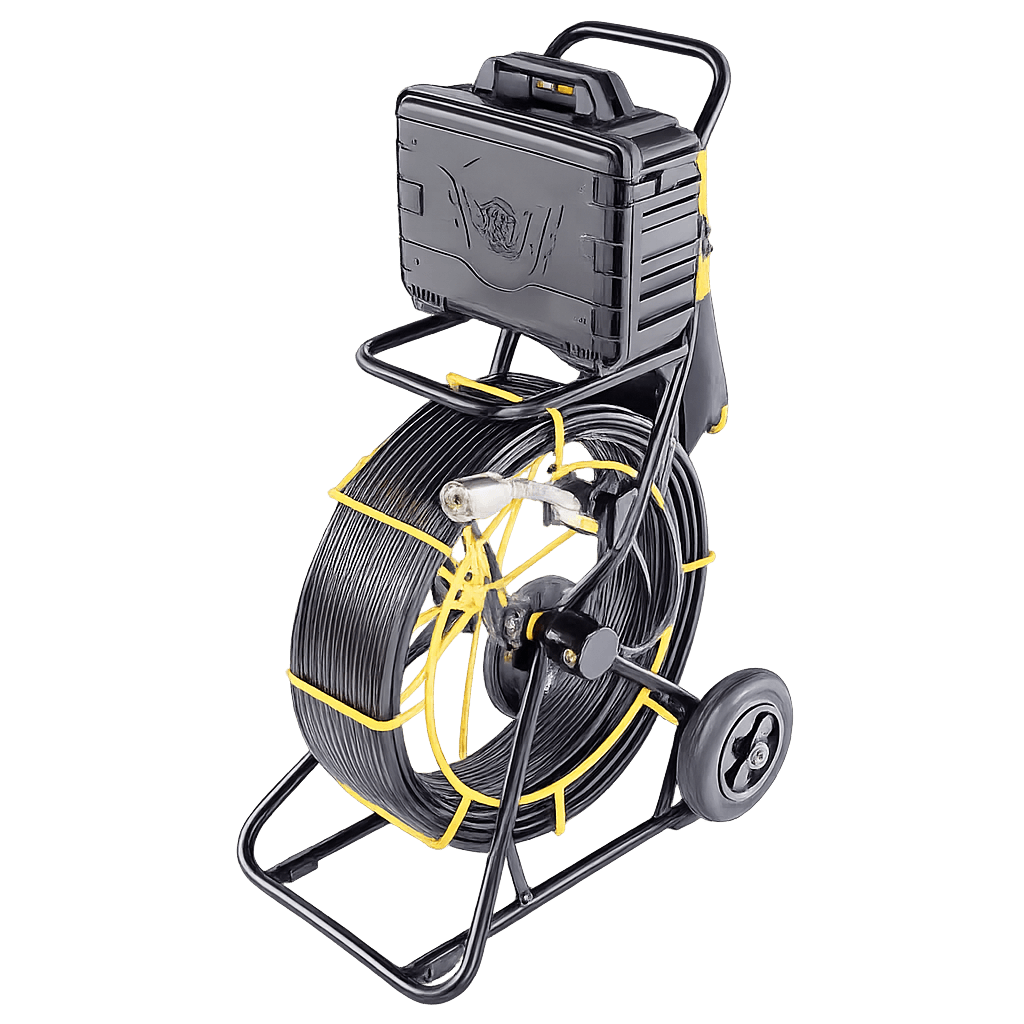
Rapid Drains investigates persistent drain odours by checking the affected fixtures and drainage system for blockages, trapped debris, dry or faulty traps, ventilation problems, leaking joints and damaged pipework. Where needed, CCTV inspection and other diagnostic methods can help locate defects that are not visible from the surface.
- Targeted Diagnosis: We focus on finding the source of the odour rather than simply masking it.
- Clear Recommendations: Once the cause is identified, we explain the findings and recommend the appropriate next step, which may include cleaning, unblocking, repair, relining or further investigation.

Why You Shouldn’t Ignore Bad Drain Odours
- Recurring Blockages: Odours can accompany restricted flow, trapped waste or a blockage that is likely to return.
- Leaks or Defects: Cracked pipes, failed joints or damaged seals can allow foul air or wastewater to escape.
- Pest Activity: Defects in drainage systems can sometimes provide routes for rats or other pests. Our rat inspection service can investigate suspected drainage-related access.
- Damp and Contamination: Leaking wastewater or repeated overflows can create unpleasant, unhygienic conditions and may contribute to damp around the affected area.
A professional inspection can help identify whether the problem is a simple local issue or a sign of a deeper drainage defect.
Prevent Bad Drain Smells Before They Return
Once the cause has been identified and corrected, a few simple habits can reduce the chance of bad smells returning. Avoid putting fats, oils, grease, wipes and other unsuitable waste down drains, keep traps from drying out, and deal with slow drainage or recurring blockages early.
For properties with repeated issues, planned maintenance and periodic inspection can help identify build-up or defects before they become more disruptive.
5 Drain Maintenance Tips to Help Prevent Bad Odours
- Deal with slow drainage early: Slow sinks, showers or gullies can be an early sign of build-up or restriction. Investigating the problem before flow stops completely may help prevent a larger blockage.
- Keep fats, oils, grease and wipes out of drains: These materials can accumulate inside pipework, trap other debris and contribute to blockages and unpleasant smells.
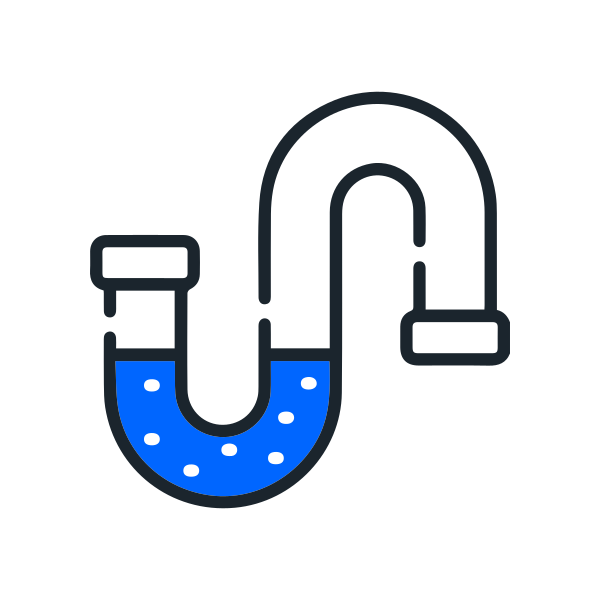
- Keep traps from drying out: Water held in a trap forms a barrier against foul air. Run water through rarely used sinks, showers and floor drains periodically.
- Clean strainers and removable waste components: Hair, soap residue and food waste can collect close to the outlet and become a source of odour before a major blockage develops.
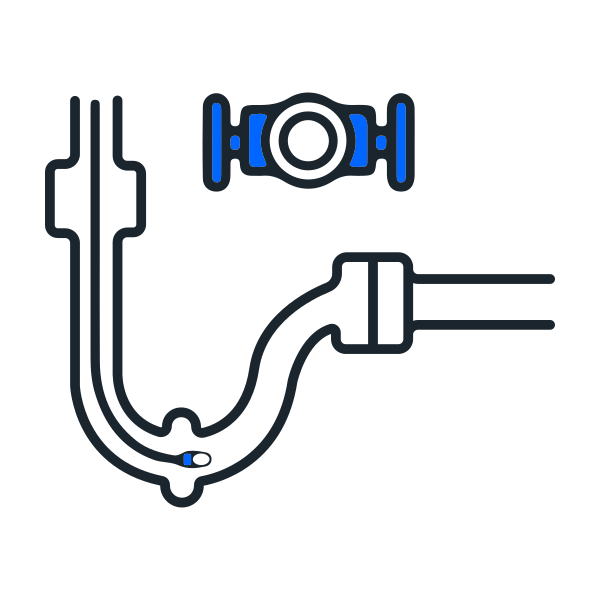
- Investigate recurring smells or blockages: Repeated problems can indicate a deeper restriction, damaged pipework, ventilation issue or other defect that may need CCTV inspection or repair.
For comprehensive preventive maintenance services, be sure to visit our Preventative Maintenance page to learn more about how we can help you maintain optimal drainage function.
Our Services




Bad Drain Smell FAQs
Why Does My Drain Smell?
Common causes include grease or food residue, hair and soap build-up, trapped debris, a dry or faulty trap, a blockage, poor ventilation or damaged pipework. The location and timing of the smell can provide useful clues.
If the odour keeps returning, appears at several fixtures or is accompanied by slow drainage, gurgling, sewage backing up or visible leaks, a professional inspection can help identify the underlying cause.
Why Does My Shower Drain Smell?
A shower drain may smell because hair, soap residue and organic debris have built up around the waste or inside the pipework. A dry trap can also allow foul air from the drainage system to enter the room.
Cleaning the removable waste components and making sure the trap contains water can resolve simple cases. Persistent smells, slow drainage or recurring blockages may need further investigation.

Common Drainage Problems Found During CCTV Inspections