Drain Pest Control Specialists
- Drain Rat Inspections
- CCTV Entry-Point Detection
- Rat Blocker Installation
- Drain Repairs & Sealing
Concerned rats may be entering through your drains? Contact us today to arrange an inspection.

Request a Call Back
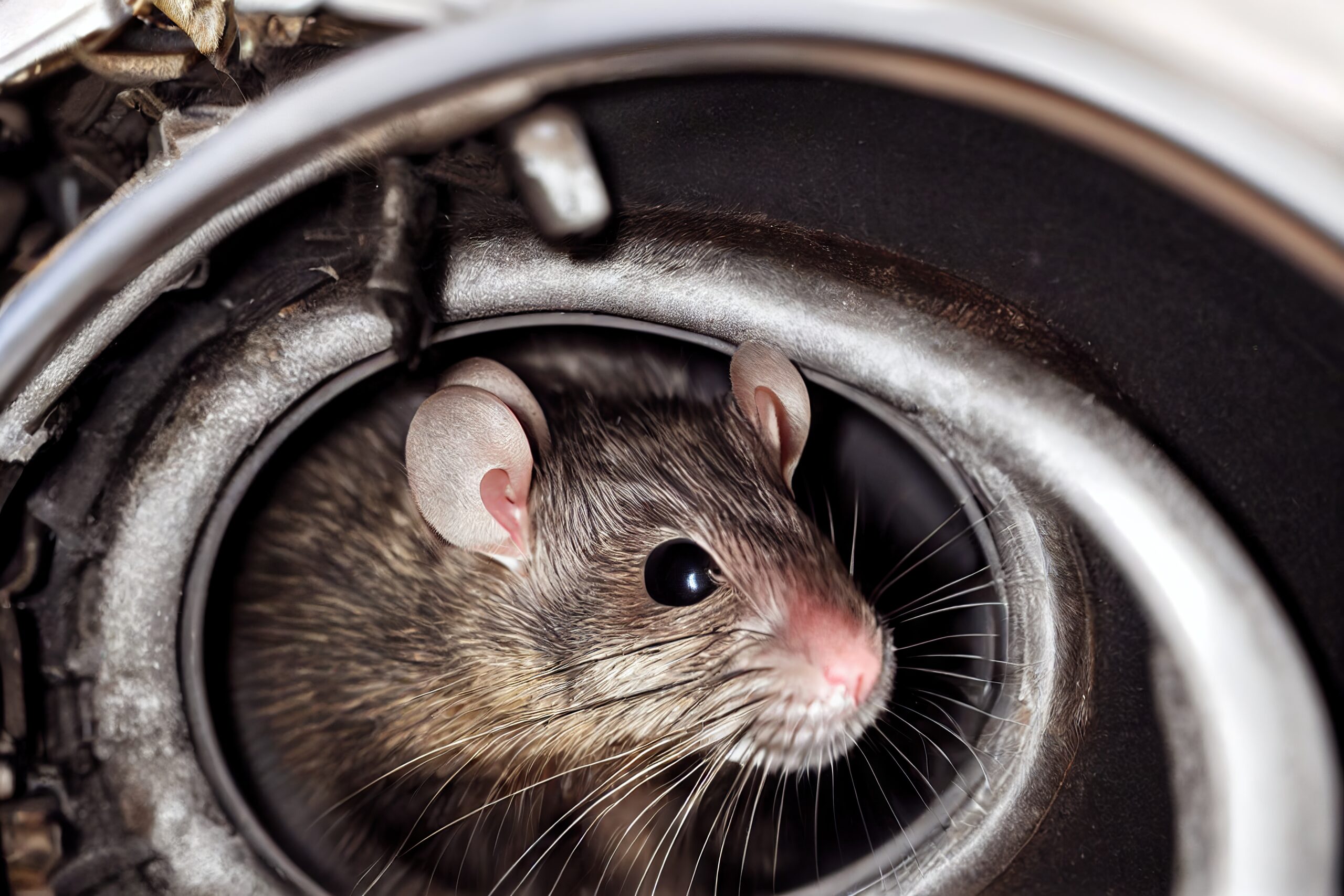
Drain Rat Inspection & Prevention Solutions
A CCTV drain survey can help identify defects and possible access routes that rats may be using to enter a property through the drainage system. Our engineers inspect the pipework for damaged sections, displaced joints, redundant connections, open branches and other vulnerabilities that could provide a route from the sewer or drain into the building.
Where appropriate, we can recommend targeted drainage repairs, sealing work or a correctly fitted rat blocker. CCTV footage may also reveal signs of rodent activity, but the main aim is to identify and deal with the drainage route that allows access.
Learn more about our CCTV drain survey services.
How We Investigate Drain Rat Entry Points
Our drain rat inspection process focuses on finding the route rats may be using to move through the drainage system and into the property.
- CCTV Drain Survey: We inspect accessible drainage pipework internally, looking for displaced joints, fractures, redundant connections, open branches and other possible entry routes.
- Entry-Point Assessment: We assess likely access points and any evidence of rodent activity found during the survey. A live rat does not need to appear on camera for a drainage defect to be identified as a possible route.
- Targeted Recommendations: Depending on the findings, we may recommend drain repairs, sealing redundant connections or fitting a suitable rat blocker where it can be installed without compromising drainage flow.

Rats Entering Through Drains
Rats can travel through drainage systems and may enter a property where pipework is damaged, joints are displaced, redundant connections have been left open or access points are poorly sealed.
Our CCTV drain surveys can help locate these vulnerabilities and identify the repair work needed to reduce the risk of re-entry. Solutions may include targeted drain repairs, sealing redundant branches or installing a suitable rat blocker.
We do not replace the role of a pest controller in dealing with a live infestation, but we can investigate and repair the drainage route that may be allowing rats into the property. Where needed, we can recommend a pest-control specialist to deal with the infestation itself.
Why Drain Rat Prevention Matters
- Reduce Recurrence: Treating the visible infestation without dealing with the drainage entry route can allow the same problem to return. Identifying and repairing defects can reduce the risk of repeated access.
- Protect Hygiene and Occupants: Rats and contaminated waste can create hygiene concerns and should be dealt with promptly, particularly in homes, businesses and managed properties.
The best long-term result usually comes from dealing with both sides of the problem: controlling the live infestation and repairing or blocking the drainage route that allowed access.
- Protect the Property: Rodents can damage insulation, wiring and other parts of a building. Finding and reducing access routes can help limit further damage and disruption.
How to Reduce the Risk of Rats Entering Through Drains
- Investigate Warning Signs Early: Recurring scratching noises, droppings, unexplained smells or repeated sightings near drains should be investigated rather than ignored.
- Repair Drainage Defects: Cracked pipes, displaced joints, redundant branches and poorly sealed connections can provide access routes and should be repaired where identified.
- Use Rat Blockers Where Suitable: A correctly selected and fitted rat blocker can help restrict rodent movement through certain drainage systems, but it should not obstruct normal flow or replace necessary repairs.
- Seal Above-Ground Entry Points: Gaps around service penetrations, vents and utility routes can also provide access, so these should be checked and sealed appropriately.
- Control Food and Waste Sources: Keep bins closed, dispose of food waste properly and avoid leaving accessible food sources that attract rodents.
Where rats are already present, a pest-control specialist may be needed to deal with the live infestation. A CCTV drain survey can then help identify whether damaged or open drainage is contributing to the problem.
Our Services






Drain Pest Control FAQs
How Do I Know If Rats Are Entering Through My Drains?
Possible signs include scratching or movement noises near pipework, droppings, repeated rodent sightings, damaged fittings or unexplained access around bathrooms, kitchens and service ducts. These signs do not prove the drains are the route, so a CCTV drain survey can be useful for checking accessible pipework for defects, redundant connections and other possible entry points.
Can a CCTV Drain Survey Find Where Rats Are Getting In?
A CCTV survey can often identify drainage defects or open connections that may provide a route into the property. It can also reveal signs of rodent activity, although a rat does not need to appear on camera for a possible access route to be found. The survey is used to assess the pipework and determine whether repairs, sealing work or another measure is appropriate.
Do Rat Blockers Permanently Solve the Problem?
Rat blockers can be effective in suitable drainage systems, but they are not a universal solution and should not replace necessary repairs. The correct device must be selected and fitted so it does not compromise normal drainage flow. Where damaged pipework, open branches or defective joints are present, those issues may also need to be repaired.
Can You Remove the Rats as Well as Repair the Drains?
Our role is to inspect the drainage system, identify possible access routes and carry out appropriate drainage repairs or prevention measures. A pest-control specialist may still be required to deal with the live infestation itself. Where needed, we can recommend a pest controller while we address the drainage defects that may be allowing access.
